 Simone
2022年6月英语四级翻译:拔苗助长、守株待兔、亡羊补牢(要哭了,没押中!)
的有关信息介绍如下:翻译结果如下:
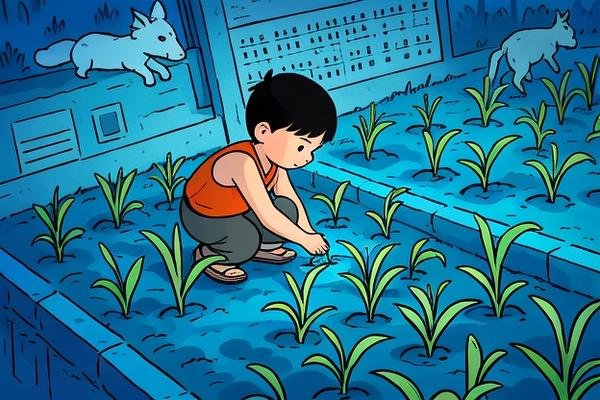
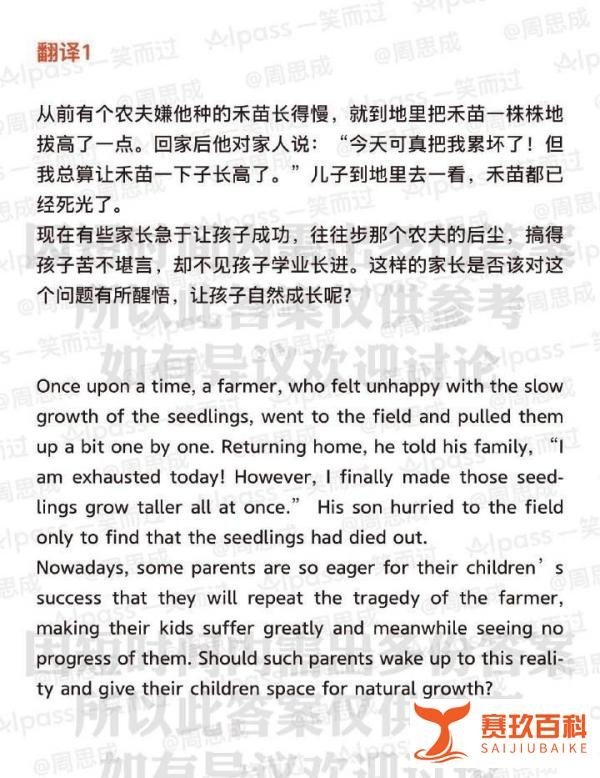
拔苗助长Once upon a time, a farmer was dissatisfied with the slow growth of his seedlings. He went to the field and pulled each seedling up a little. Upon returning home, he told his family, "I'm exhausted today, but I've finally made the seedlings grow taller all at once." His son rushed to the field, only to find all the seedlings dead. Nowadays, some parents, eager for their children's success, often follow the farmer's example, causing their children immense suffering without seeing any academic progress. Shouldn't such parents realize the problem and let their children grow naturally?
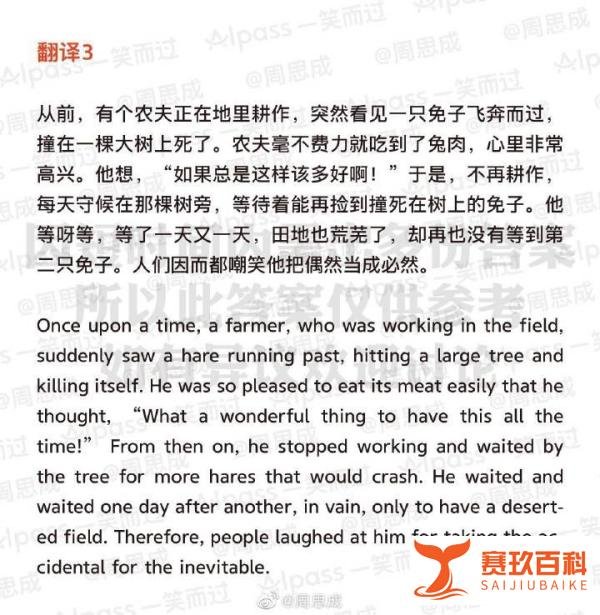
守株待兔A farmer in the State of Song was plowing his field when a hare dashed out from the bushes, crashed into a tree stump, and died instantly. The farmer picked up the hare and thought, "If I can get one hare every day by just waiting here, why bother farming?" From then on, he stopped working and waited by the stump every day. However, no more hares appeared, and his field became overgrown with weeds. This idiom criticizes those who rely on luck or rigid adherence to past successes instead of taking proactive action.
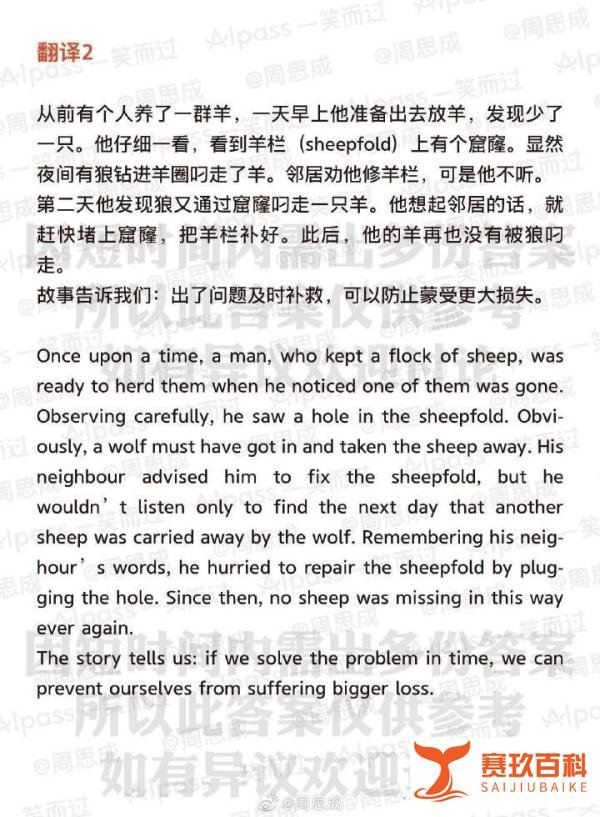
亡羊补牢A shepherd lost one of his sheep because the fence had a hole. A neighbor advised him to repair it immediately, but he ignored the warning, thinking, "What's the point? The sheep is already gone." The next day, he found another sheep missing. Realizing his mistake, he quickly fixed the fence. From then on, he never lost any more sheep. This idiom suggests that it is never too late to take corrective action after a mistake, as long as one learns from it.
翻译要点说明:
文化适配性:
保留成语的比喻核心(如“树桩”“羊圈”),同时用简洁的英文解释其寓意。
例如“守株待兔”中,通过“rely on luck”和“rigid adherence”传递原故事的讽刺意味。
句式结构:
采用复合句和分词结构(如“dashing out, crashing into, and dying”),增强叙事流畅性。
使用反问句(如“Why bother farming?”)还原原文的语气。
词汇选择:
避免直译生僻词(如“株”译为“tree stump”而非“plant stem”)。
动态动词(如“plowing”“dashed out”“overgrown”)提升画面感。
逻辑衔接:
通过时间状语(“From then on”“The next day”)和转折词(“however”“but”)明确事件顺序。
结尾用“suggests”总结寓意,符合四级翻译的总结性要求。
以上译文兼顾准确性、流畅性和文化传达,符合英语四级翻译的评分标准。